
Skin Cancer
Early detection makes the difference.
ANYTHING BUT RARE
Skin cancer is the most commonly diagnosed cancer in the United States. But the good news is the five-year survival rate is over 99% when caught early
Skin cancer doesn't always look the way you'd expect. Changes in moles, new growths, or spots that won't heal can all be early warning signs. When in doubt, have it checked.
KNOW WHAT TO LOOK FOR
At high altitudes, UV radiation is significantly more intense — and Utah's elevation puts residents at greater risk than most. Regular skin checks aren't just recommended here, they're essential.
UTAH RAISES THE STAKES
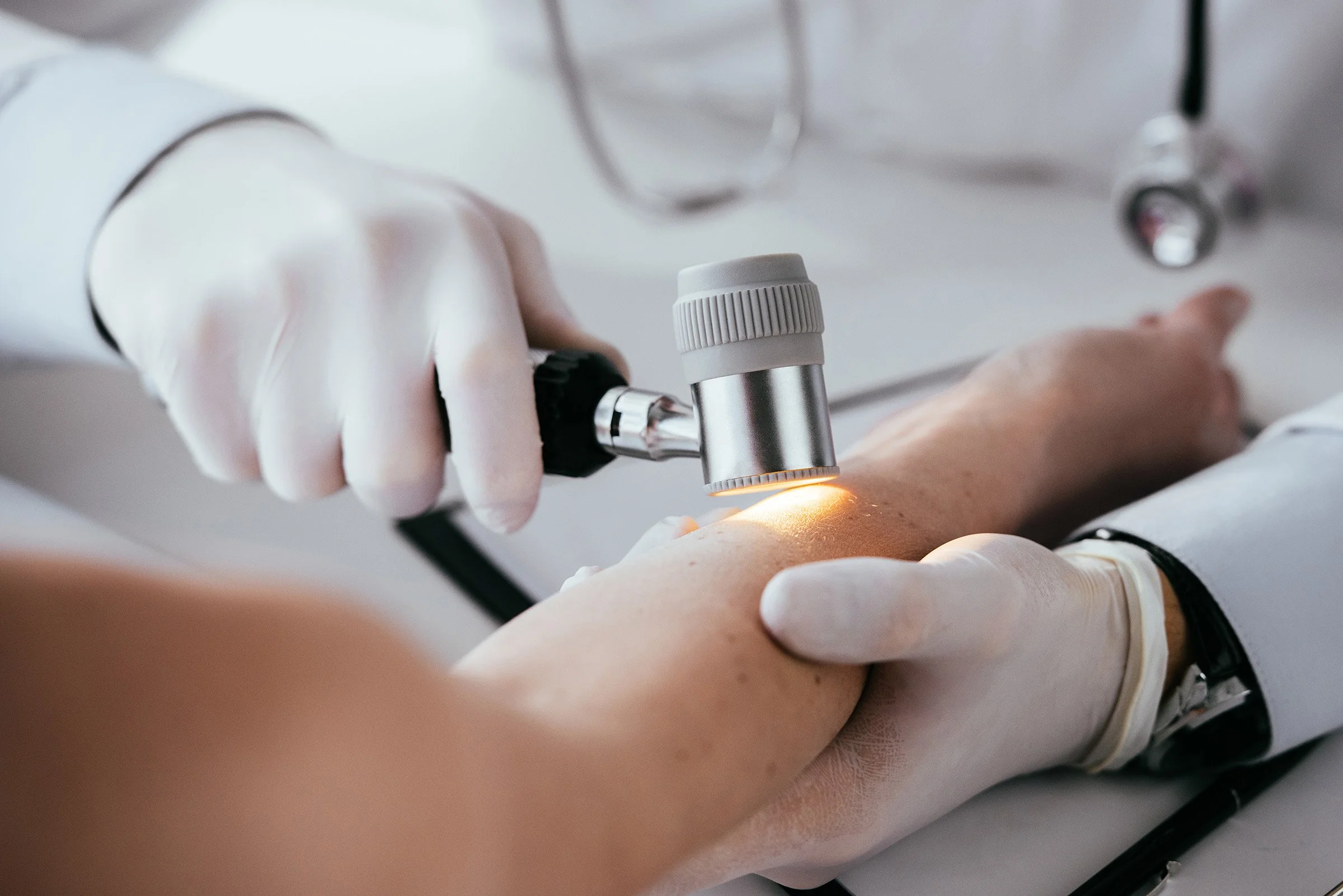
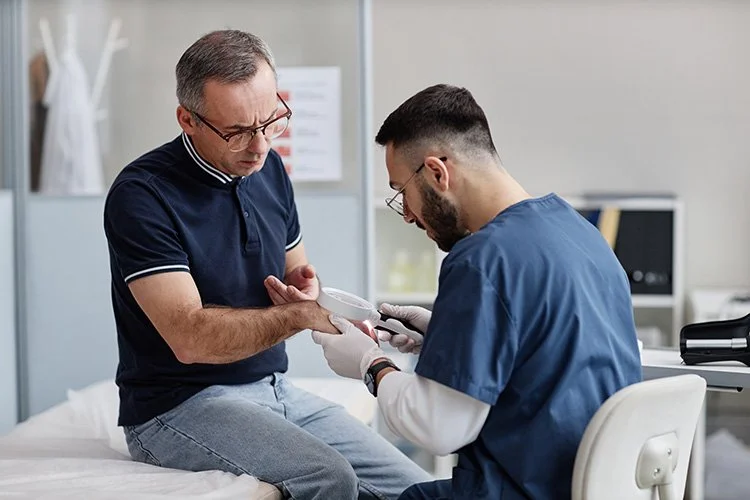
Routine skin checks only take minutes and could save your life. We screen for melanoma, basal cell carcinoma, squamous cell carcinoma, and other conditions with a focus on early detection.
YOUR BEST DEFENSE
20%
of americans will develop skin cancer by the age of 70.

-
Look for new or changing spots on your skin, including moles that change in size, shape, or color, sores that don’t heal, or lesions that bleed or itch. If something looks different or concerning, it’s best to have it evaluated.
-
For most adults, an annual full-body skin exam is recommended. However, you may need more frequent screenings if you have a history of skin cancer, significant sun exposure, or changing moles. Your provider can recommend a schedule based on your individual risk.
-
A skin cancer screening is a visual exam of your skin from head to toe. Your provider checks for unusual moles, spots, or lesions and may recommend a biopsy if something needs closer evaluation.
-
Many skin cancers can be treated effectively when caught early. Treatment depends on the type and stage, and may include in-office procedures or, when appropriate, coordination with specialized care. Your provider will guide you through the next steps.